Hypnosis Mic: The Movie is a multi-path anime rap battle concert movie driven by audience voting, so how could I miss that?
YOU NEED HEART TO PLAY THIS GAME 気持ちがレイムじゃモノホンプレイヤーになれねえ
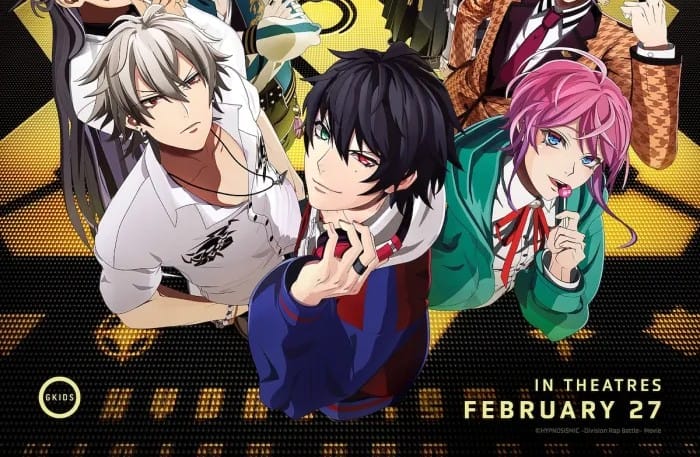
Hypnosis Mic is such a wild concept that you might be surprised if you’ve never heard of it. In a near-future Japan after World War III, an all-woman dictatorship has abolished conventional weaponry in favor of the titular Hypnosis Mic and now settles all disputes with rap battles.
And I’m like, let’s fucking go, tbh, but Hypnosis Mic isn’t aimed at old guys who grew up in the 90s listening to Wu-Tang. No, I am a foreign visitor from another country in this movie theater. This is fujoshi country. They love two things here: boys, and boys loving boys.
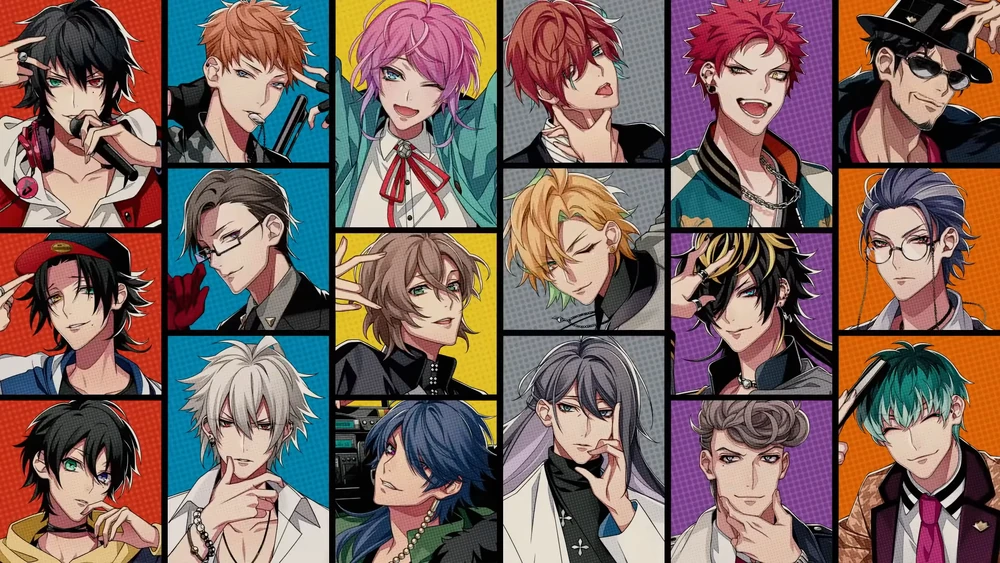
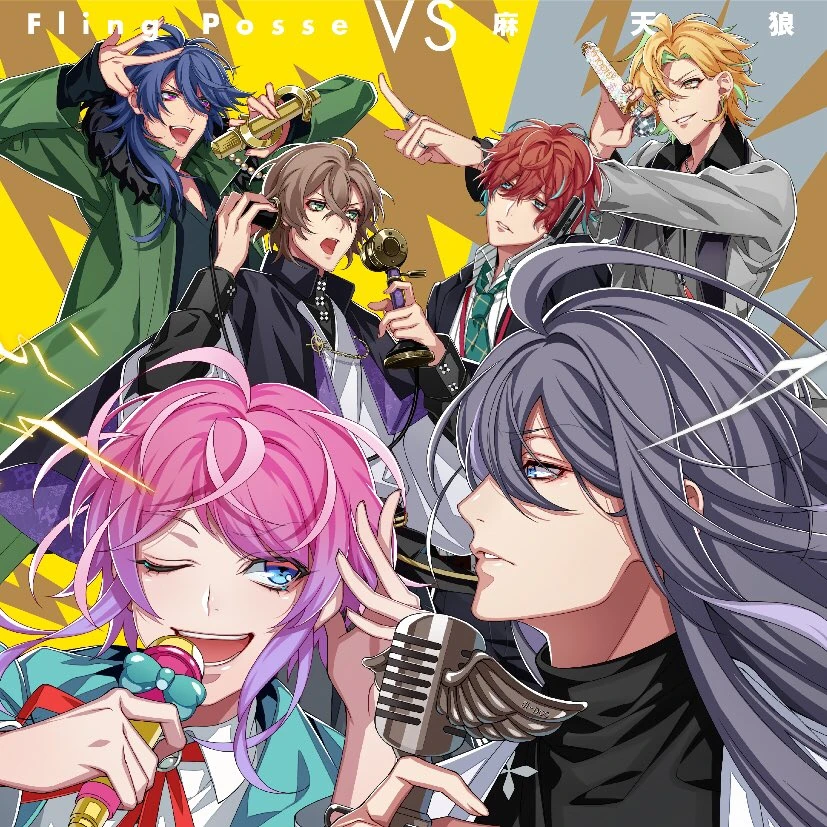
Hypmic is a wildly popular franchise aimed directly at women, and anybody else who finds a favorite among its wide roster of pretty-boy rappers voiced by famous anime voice actors. There’s a man for every taste in Hypmic, to spur the imagination and be placed in any coupling or combination the viewer pleases. Women rule this world, both in the fiction and the fandom.
This concept makes a lot of sense when you consider the intimate, vulnerable space of the rap battle. It’s a place where two guys are expected to get in each other’s faces without violence, express their innermost selves and even air their personal grievances with each other before a crowd. And from that kind of intimacy is born the spark of affection that surely launched a zillion fanfics and doujinshi.
More directly, there’s a point in the movie where two dudes with a big age/size gap and a love/hate relationship lay down on the floor together and take turns rapping from on top of the other, at which the crowd at my theater exploded.
This “they’re ALL the gay rapper”1 conceit effectively launched an full-on idol operation, with the different fictional crews— each representing different areas of Japan— releasing mini-albums while the fans supported their faves in the traditional way of the idol fan: buying multiple copies of every new single solely to obtain the votes that would determine the winner of the battles. Eventually this led to anime, and finally that led to the movie, which released last year.
And in the spirit of the democracy-for-sale that drives the Hypmic franchise, the movie version made a genuinely trailblazing move: in the Hypmic movie, the audience watches rap battles and votes for who they like best via a phone app, and those votes actually change the movie you see. And you know I couldn’t miss a gimmick like that.
The Gamesoft Robo Fun Club is a solo labor of love that depends entirely on paid subscriptions from readers to exist. If you enjoyed this piece and you'd like to see more, I'd love to see you become a regular or paid subscriber. Paid subscribers get exclusive posts and keep me fed. Thanks for reading the pitch and hope to see you subscribe!

In many ways, Hypnosis Mic the Movie gives the impression of a very large video game: it’s a full-CG production by Polygon Pictures with slightly stiff motion-captured animation. It’s got branching paths, you interact with it seamlessly on your phone, and it feels like a procession of branching game cutscenes rather than a single flowing narrative. But this is not a traditional narrative film; it is a concert movie representing the “Finals” of the Hypmic rap battles, in which the audience’s favorite rap crew finally gets a chance to battle the bosses for world domination.
We are given exactly enough background information to find out what each group of guys is about, and whether we like them enough to vote for them, in the opening ten minutes of the film.
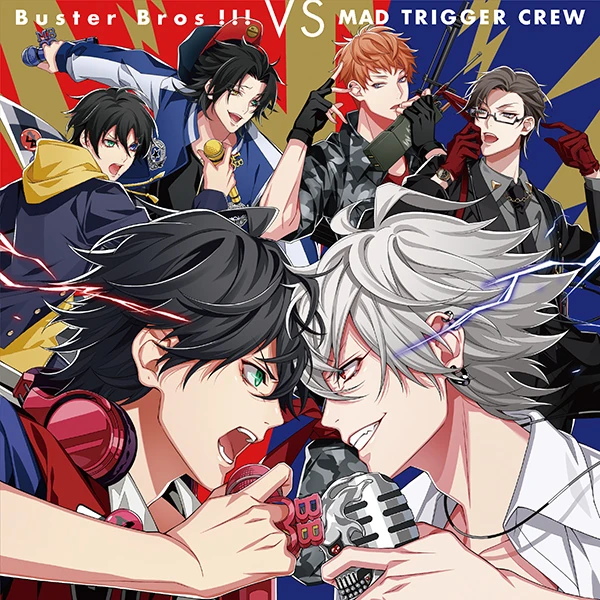
One after the other, the crews make their appeals through brief sketches that reminded me a little bit of pro wrestling promos. The Buster Bros run Ikebukuro (noted center of boys-love/fujoshi culture, home of Otome Road) and unfortunately suffer from Heroic Blandness, especially against such a colorful, gimmicky bunch of teams. The Bad Ass Temple from Nagoya are run by a Buddhist monk and classical Red Guy/Hero’s Best Buddy type who got my vote pretty quickly, and grew on me as the movie went on.
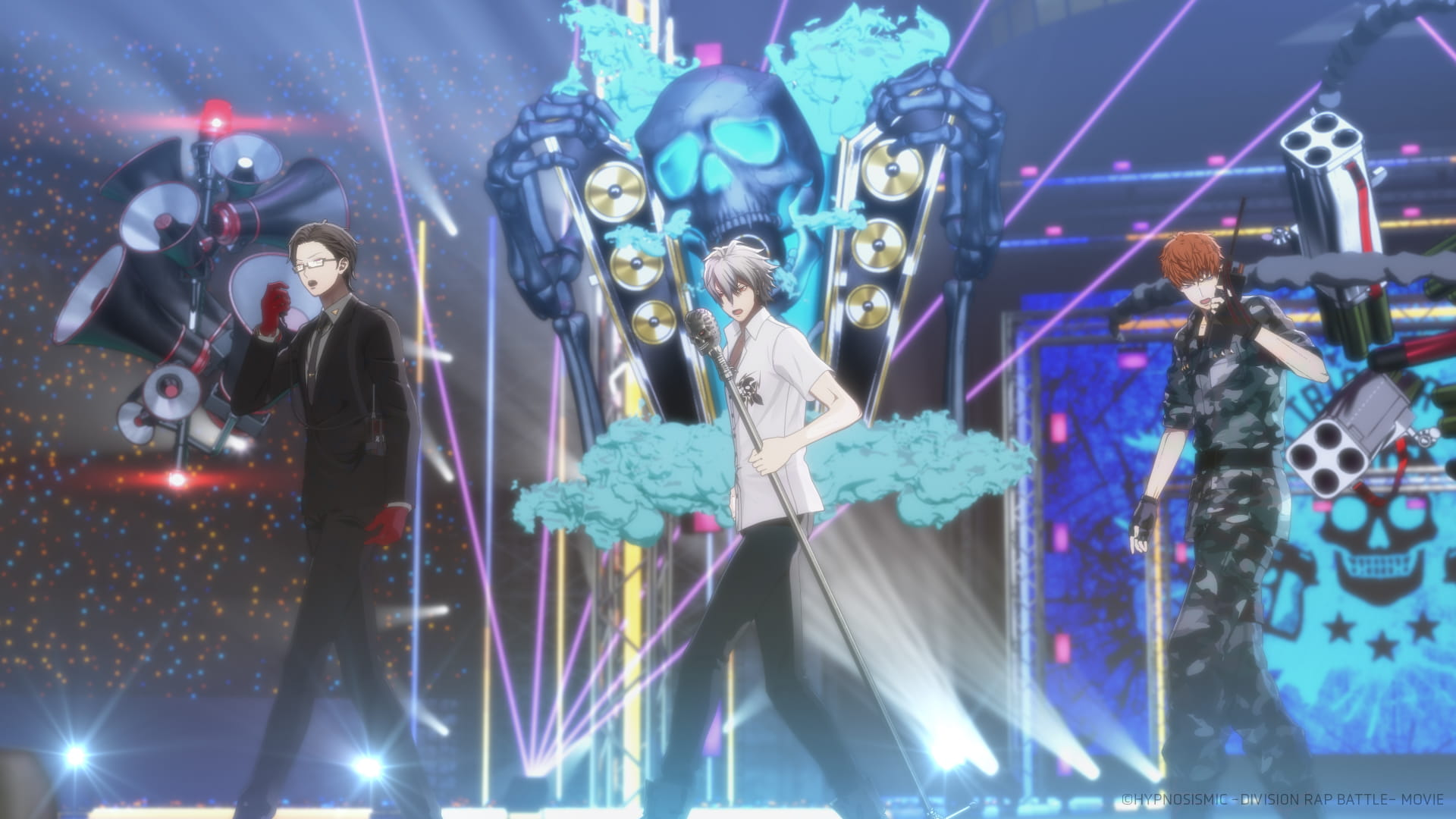
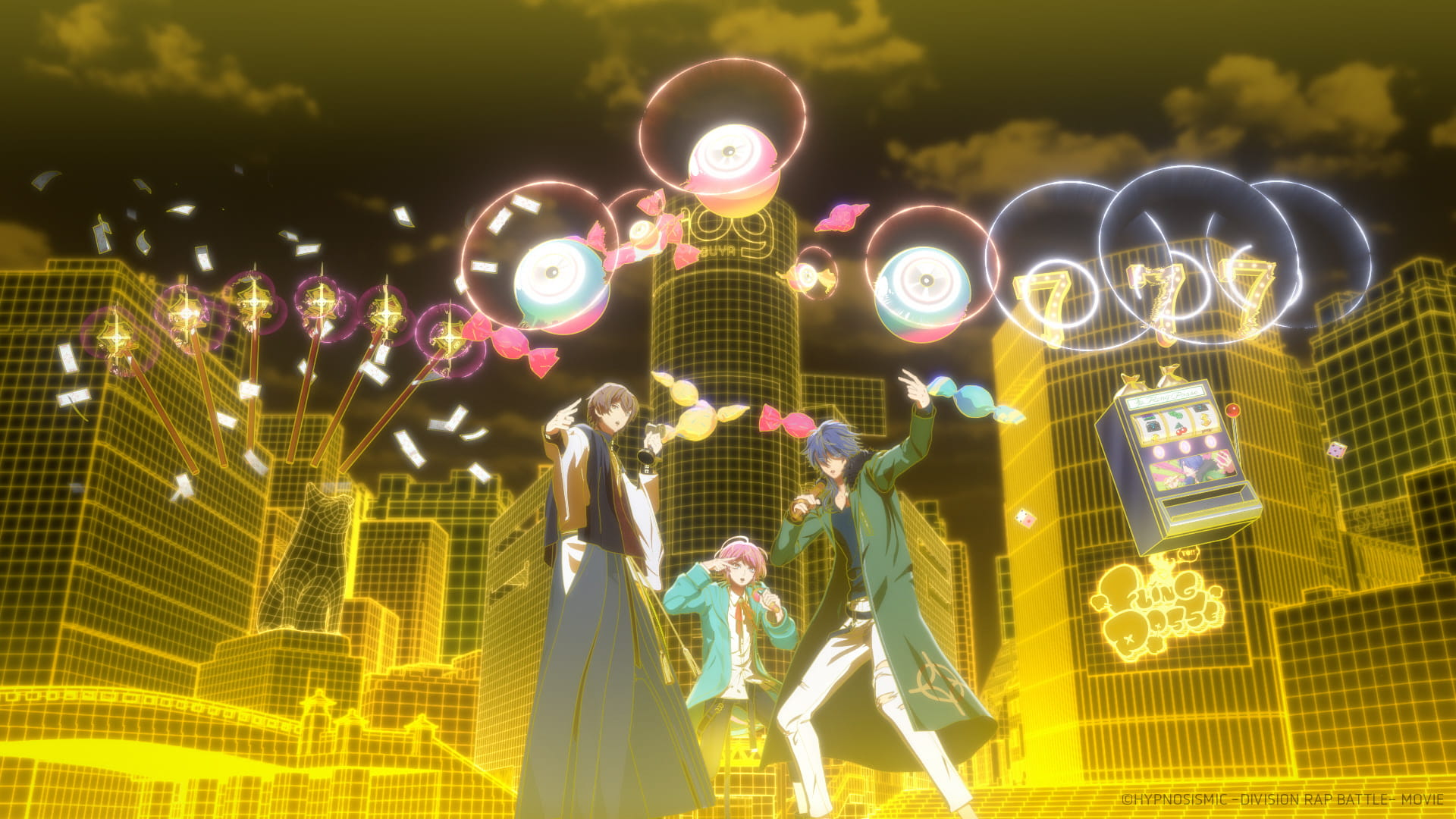
Yokohama’s Mad Trigger Crew are a yakuza, a crooked cop, and a soldier; a hard-ass gangster crew. (I’m calling in an ACAB on these guys.) Matenrou (skyscraper) represent Shinjuku by way of the notorious pleasure district Kabuki-cho: a host, an underground doctor, and a desperately overworked salaryman. Shibuya gets the Fling Posse, led by a pink-haired, self-consciously cutesy type whose every word and action made me cringe to the core. Osaka has Doitsutare Hompo, a suitably colorful, loud, and goofy crew consisting of a Osaka-style comedian, a con man in classical pimp gear, and a school teacher.
Finally, the bosses, the Party of Words led by Japan’s prime minister Otome Tohoten, show up and express their solemn commitment to keeping these damn fool men under control for the sake of the nation. (Despite WWIII, “Japan” and “The World” seem basically synonymous in the (btw, wild! insane! Read This Wiki!!) lore I read.) Without these bits, a first-timer wouldn’t know who to vote for, as the rest of the film takes place at the arena show.
The movie follows a basic tournament structure from here. The six teams make flashy entrances (to the thunderous announcing of MMA and Tekken 8 announcer Lenne Hardt) and compete in three set battles: that part of the movie is always the same, and you get to see everybody in action at least a little bit, whether they lose the vote or not.
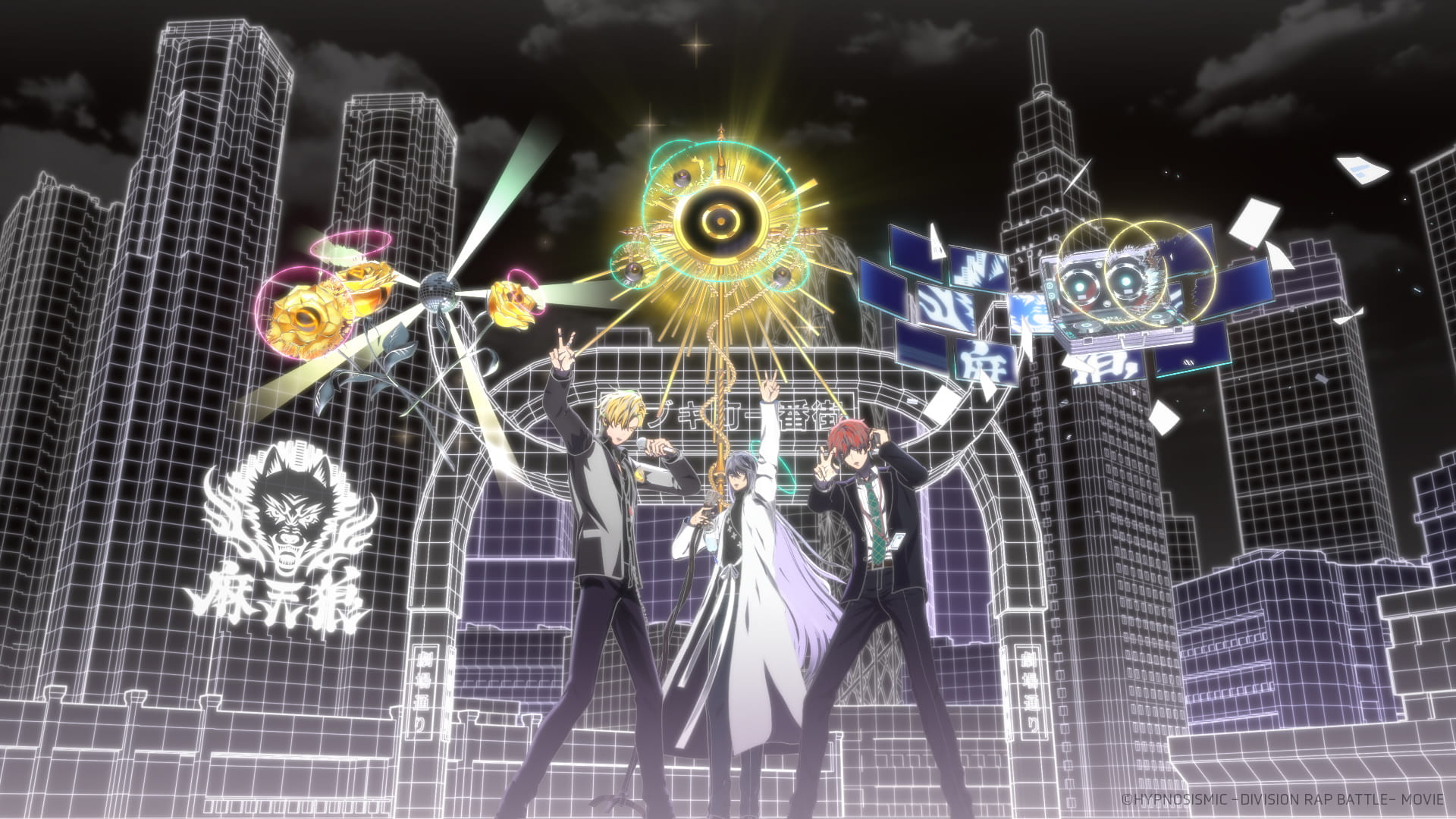
The rap battles are the core of the concept, the highlight of the movie, and they’re appropriately massive and ridiculous. When the rappers grasp their mics, their personalized audio gear manifests by magic: the doctor character summons a mic stand with a snake tangled around it, the sign of his profession. A teacher calls on a giant blackboard from which speakers burst forth. These manifestations are of course animated in a very specific “magical boy” style with all the delightful ritual and repetition of a kids’ superhero series.
The battles are quite accurate to the real thing, in fact, just placed through a big anime filter: the rappers get in each other’s faces, they talk shit about each other, and as they do so, every lyric is grandly printed on the screen with thematically gaudy CG graphics. The choice of CG for the film is clearly correct when you understand that the rap battles need physicality: just like in anime idol concert scenes, expressing space convincingly is extremely important. In big moments the rappers physically throw their words at each other, recoiling in pain when struck with rhymes so powerful that they manifest in real space.
Sometimes sparks fly— as between gentle Jakurai and childish Ramuda— in these sessions, and it seemed to me that such little moments, not world domination, were the peak of the experience for the fujoshi watching in my theater.

(I don’t feel bad calling the theater audience fujoshi here, both because, c’mon, it’s opening night for the Hypnosis Mic movie, and also because many people in the crowd audibly shouted when an ad for the BL manga “The God of Death Is My Fanboy” appeared before the film.)
After each session you vote via an app, the app counts up the votes, and the movie branches based on the result. This transition feels exactly like a video game: you see an isolated scene of the victorious team celebrating and the losing team despairing before they pick their heads up, reconcile with the winners, and move along. Due to the interactive nature of the movie and perhaps the sensitive nature of the fan, great pains are taken in these scenes to keep things as sportsmanlike as possible and not to piss off fans of the losing team any more than they have been by their loss.
(When the Buster Bros lost, they showed such deep, crushed despair that I wondered if their fans weren't meant to sadistically get off on it.)
At this point you start to realize what the movie really is: a choose-your-own-adventure concert film, a collection of music videos that doesn’t give it all away in one viewing. The losing teams are all effectively out of the movie until the final sign-off; if your fave lost, you have to go back to the theater until you get to see them win. To see every single piece of video that composes Hypmic: the Movie is a feat involving at least seven viewings if everything falls into place perfectly.
It is a big fangirl thing to see movies over and over again just to look upon one’s fave— The First Slam Dunk, for example, got big repeat business in Japan2— and the Hypmic movie seems created with this practice specifically in mind. And like any idol operation, it’s got dollar signs in its eyes.
In the next round, the surviving teams present a music video for their signature song— it’s supposed to be a live performance in-universe, but through the magic of animation why not have the boys rapping on a temple roof in Nagoya instead— and the audience votes on which they like best.
At my theater, the surviving teams were Bad Ass Temple, Doitsutare Hompo, and Fling Posse. During the solo music videos you get more of a vibe of the units’ individual sounds.
“Bad Ass Temple Funky Sounds” struck me as old-school in the exact way that a 90s kid like me would like; this is one of the few tracks that actually made it onto my playlist after the movie. (Turns out I also like the Buster Bros, who are complete 80s throwbacks.)
“Ah~ Osaka Dreaming Night” was a fluffy Osaka-flavored party rap that I honestly completely forgot until I listened to it at home writing this review. It's good, though! (I’d be remiss to mention on this blog that one of the guys in Hompo is Takuya “Kazuma Kiryu” Kuroda, and you should hear that smooth voice drop bars in your lifetime.)
Fling Posse, in keeping with their leader, has a cute dancey sound, and I have to admit “Bunch of Roses” was an absolute banger even if I was already dead set on voting against them.
there's a line early in here that you really really don't want a japanese-fluent person to happen to hear
(I don’t know enough about JP hip-hop or really US hip-hop for that matter, but are BAT’s Buddhist theme a reference to early JP rap group Buddha Brand? I get similar vibes from their songs but…)
The vote here determines who goes up against the Party of Words in one of six potential final rap battles. But note I didn’t say “six endings,” because there are seven. It isn’t a guarantee that the winning boys also beat the Party of Words: the audience votes on that too. So your fave can win all the votes but the audience can turn on them in favor of the Party of Words… which is actually kind of likely, if you consider the audience revenge-voting for the other guys. That’s what happened at my theater, as Bad Ass Temple lost the final battle.
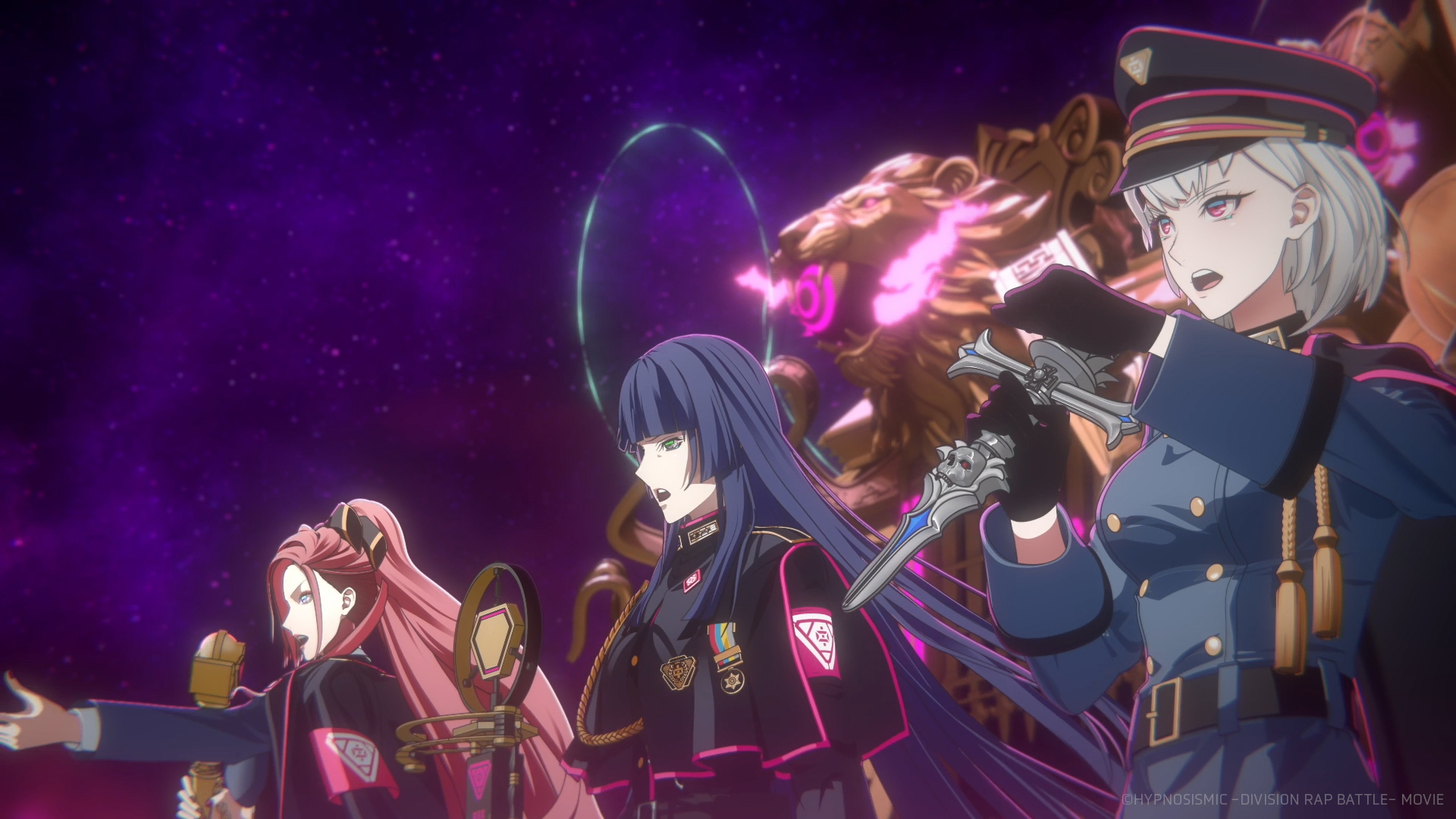
But it wasn’t necessarily all revenge: the Party of Words make an impression. They’re the secret weapon of this movie, that three dominatrix M.Bisons come out at the end and just start whipping ass with some dense fuck-the-patriarchy bars. If we were just voting on who won the rap battle, and not which characters we want to see win, it’d be tough to argue against them. And indeed, they won in my theater.
With the voting settled, the winning team comes out for a final music video followed by a victory statement. (or the other way around i can't remember) Since the Party of Words are the defending champions and rulers of the world, this is actually kind of an interesting scene.
I suspect something along these lines happens in every ending, but surprisingly the leader of the Party of Words gets up on stage, says maybe this whole thing with rap battles deciding world politics was foolish, and abolishes the competition, suitably, by dropping her mic.
Now the branching paths converge in a final group sign-off scene that's way more idol than hip-hop. Everyone gets up on stage and poses, there are some surprising character interactions— most shockingly of all, some straight ones– that made my theater squeal, and now everyone’s all friends. The whole gang rap and sing us into the credits, and I guess world politics will work themselves out.
(I have been informed that these character interactions were not in fact straight.)
(Don't tell me "it's not idols" after they do these group numbers, by the way. An American rapper would kill himself before singing "I'm feeling Bouncy!" with 20 other dudes.)
At the risk of drawing charts on a whiteboard in the middle of this review, to see all the endings of this film you’d have to go at least seven times, assuming you were each time so lucky as to see a different group win. Consider the reality for a fan of one of the less popular crews like Buster Bros or Hompo: I must imagine that Japanese fans were forced to actively organize to fill empty theaters on off-days with fans of a certain crew in order to guarantee their victory. (Again, what a business plan...)
It starts to get crazier when you think about the amount of branches in the middle of the movie: don’t forget the music videos in the middle! Seeing every single possible scene in this movie— and of course, fans of a hardcore franchise like Hypmic, one where fans will buy hundreds of copies of a CD single, will want that very much— is a large undertaking, and the people who planned out this movie were not merciful.
From a game design point of view, (and Hypmic the Movie is a kind of game; it after all obliges me to discuss metagame!) the Party of Words seem to be positioned as a “spoiler vote” option, the single decision that would force the most repeat viewings. Even if your boys win against the other crews, they still have to beat the Party of Words— a strong rival with their own fans, who only have one chance to support them— for you to see their victory and final song, after all.
But here in America, most of us were only going to see this movie one time in this brief theatrical run, the last chance to profit off this unique business model before the Hypmic movie comes out on Blu-Ray in Japan in a couple of months. I’ll admit it, though: when my boys Bad Ass Temple didn’t win, I had that pang of regret, that fleeting urge to maybe just go see the movie again. Roll the dice, like that degenerate penniless gambler in Fling Posse. I bought tickets for Umamusume a few days later instead.
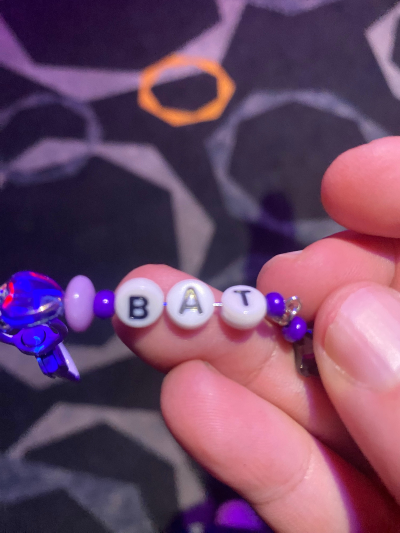
Enormous shout-outs to the extremely dedicated fangirl who stood outside the theater after the movie was over handing out homemade bracelets for the crew of your choice. Of course I got Bad Ass Temple. As anime/manga culture get more mainstream and (even) more commercial— I watched two anime movies this weekend and also a half hour of trailers before each of them– it’s exactly this sort of grassroots act by someone who just loves the thing this much that I’ve come to really prize… and miss, too. This is my souvenir from another country.
PS: Hypmic, after two thousand words I’m gonna say it… not a single black character in a story specifically about hip-hop culture? Like, nowhere? Not even in the background? Guys. Come on.
-I refer here to a pathetic late 90's gay panic gossip phenomenon in hip-hop, where a DJ led this weird McCarthyist campaign to unmask the mysterious Gay Rapper. Background radiation of my childhood, unfortunately. Quaint, today. 1
-Lately when I think of people seeing movies over and over, I can only think of disgraced voice actor Tohru Furuya's victim, a woman who had been to see movies featuring his Detective Conan character something like 300 times. 2