I Guess It's The Weekly, March 30th 2026
I found I actually did have room for some shorts this week; here they are.
Rave Racer
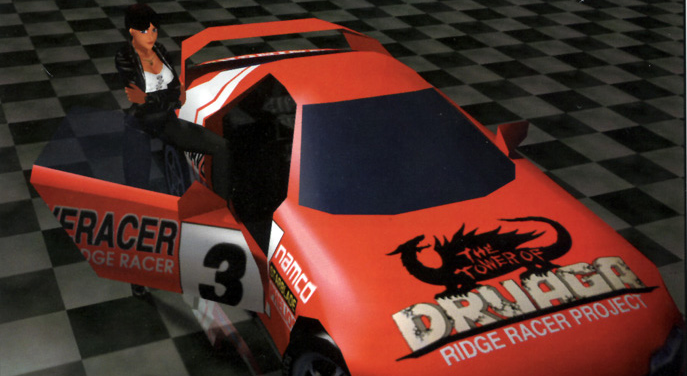
I don’t think I’ll get as obsessive about grinding out Rave Racer (the first true Ridge Racer sequel, out for consoles for the first time in the Arcade Archives series) as I was the first Ridge Racer. There’s a pretty simple reason: the game’s glitched.
Above you’ll see the secret technique for breaking the car’s max speed to much higher than normal by jumping on top of a rival car, effectively transforming the game into a glitch speed-run. It’s very hard to get the stars to align setting this up, but I was able to reproduce the glitch a few times on the City course. The problem is that if you ever hit a wall, you’ll go irreversibly back to normal speed. It already takes painstaking precision to activate the glitch, but once you have, you now have three seconds to figure out how to run the track at that speed (it involves drifting for the duration of the race).
I’ve given it some attempts, but at that point it’s not really my thing. After all, I got into playing Ridge Racer because I like a “pure” arcade racing experience. I respect speed-runners, but have zero interest in actually doing that kind of thing myself.
The Gamesoft Robo Fun Club is a solo labor of love that depends entirely on paid subscriptions from readers to exist. If you enjoyed this piece and you'd like to see more, I'd love to see you become a regular or paid subscriber. Paid subscribers get exclusive posts and keep me fed. Thanks for reading the pitch and hope to see you subscribe!
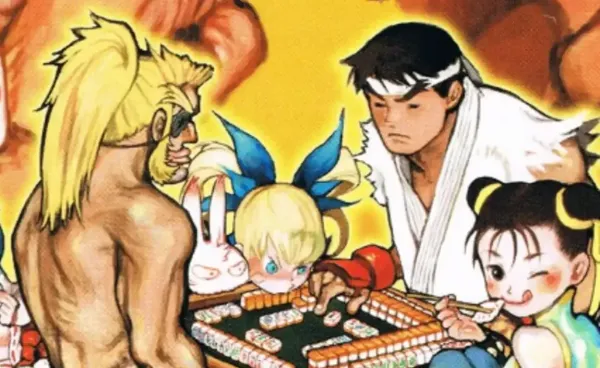
Other retro: mahjong, of course
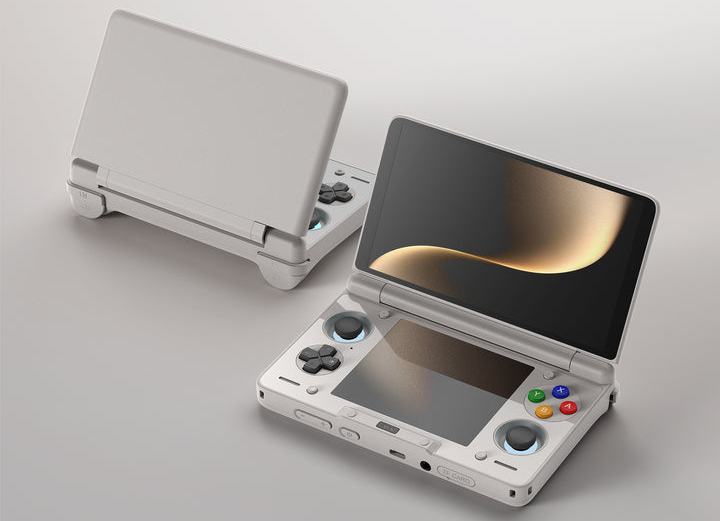
I have an AYN Thor— a high-spec Android handheld with a 3DS form factor, custom made for emulators— on the way, so I’ve been piling up ROMs and buying up some carts in the meantime.
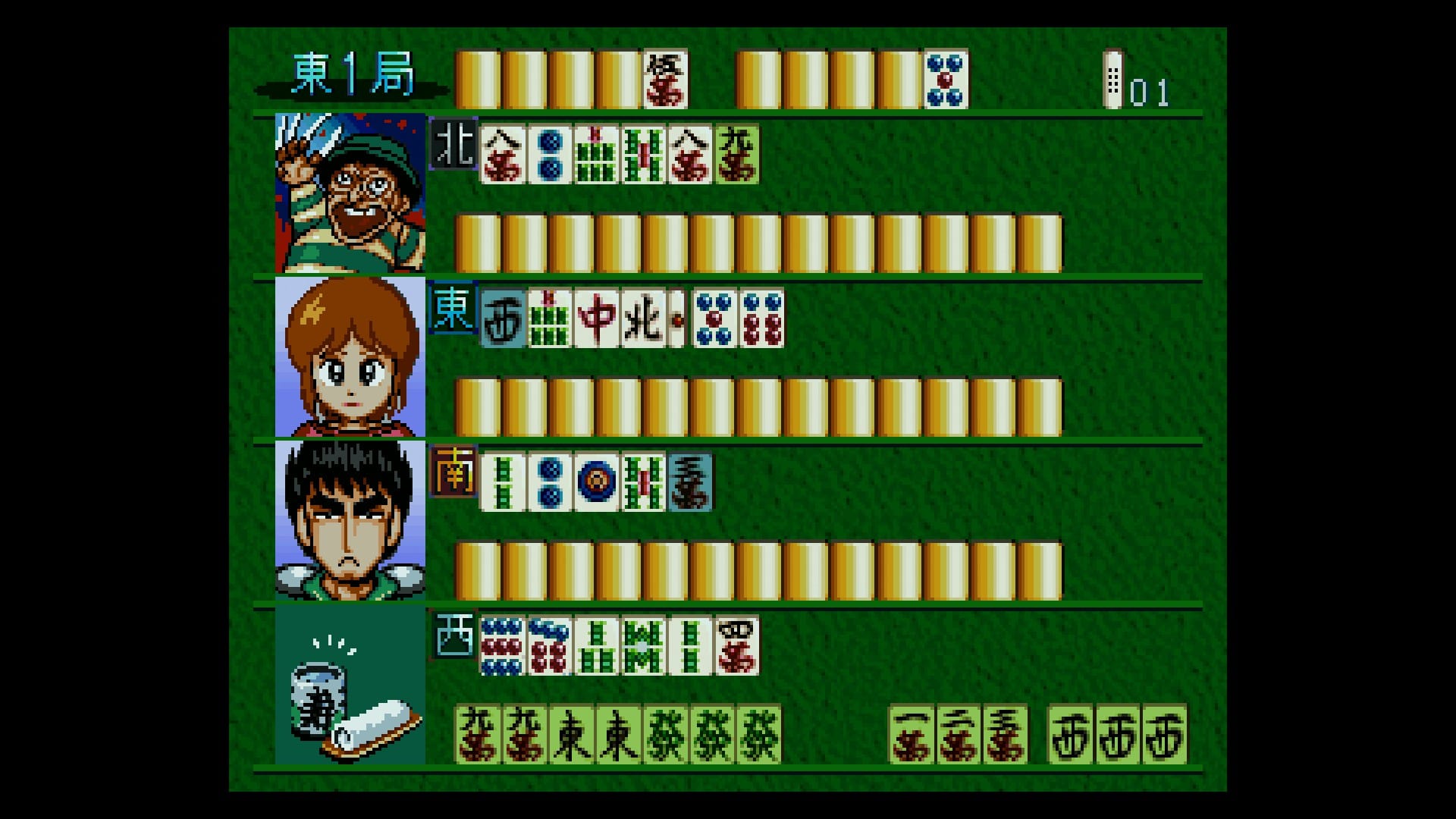
Because it’s me we’re talking about, this has led to me stockpiling the entire history of Japanese console riichi mahjong games from the SG-1000 up to the Playstation 3, where the full-price retail mahjong game finally dies and the genre becomes a small-scale download game. (For my own sanity I’m not directly looking at Japanese home computers, though the genre of riichi simulator almost certainly starts there.)
You have probably wondered why there are always lots of mahjong games on Japanese consoles. It’s pretty simple: it’s an easy-to-develop and widely understood game (from the Japanese perspective— even your dad can play mahjong) that can become a very long-term experience as a video game. This makes mahjong uniquely well-suited to console launches, when there aren’t very many new games to play, and certainly no long-term games such as RPGs. You’ll note that many mahjong games for console are published in the first year or two of the console’s existence.
It’s a really interesting mini-genre, running the gamut from low-effort shovelware to licensed character cash-ins to experiments by small quirky devs to gold standard titles that take the game seriously and show how it can stand on its own as a full-price game experience. There's also all the strip mahjong, but that’s practically its own story.
I am already hatching a through-line in my head on how I’d like to cover these games, but I think that if I do, it it’s going to be my first dip into Youtube. I have had a lot of fun spending weeks toiling on large features for this newsletter like the Cipher and Pon no Michi, and Dracula X features, but I’m gonna be straight up about it: those efforts get me (literally) zero new readers, every time. People don’t read them. I think I need to give video— which I’ve strongly avoided for years because I much prefer writing— a shot the next time I take up a really big undertaking, and this will likely be it.
I do very briefly talk about these games over on my Bluesky (for as long as that lasts; it's already showing signs of going to hell pretty soon under new ownership), as in I play them for twenty minutes and type out a couple of observations.
Miss King

I watched Miss King, a Japanese stab at Queen’s Gambit, on Netflix recently. The TV version of Queen’s Gambit reminded me a lot of sports manga, so I guess it’s fair play.
The abandoned genius child of a top shogi (chess’ Japanese cousin) player follows in his footsteps to the top of the professional shogi world so as to defeat him and claim revenge. Along the way she faces roadblocks from sexist institutions— both within Japanese society and the game’s own subculture— and her father’s influential new family, who would rather her existence remain a dirty secret. (That her existence is a secret— dad was a known professional before he left his family!— is a glaring and un-addressed plot hole.)
The J-drama take on the concept is a bit more melodramatic and sentimental, often to its detriment. The back half’s attempts to suddenly humanize characters who’ve committed plainly monstrous acts for the sake of heightening drama, but who the show has decided we and the heroine should forgive by the end “because they’re family!”, are difficult to swallow.
I don’t mean this in the Hays Code sense that “villains must be punished and morality must be enforced”; I mean that the show wants us to buy three-dimensional motives for two-dimensional actions.

On that note, my favorite character in this series was the shithead son, a straightforward villain who we immediately understand is acting out due to feeling overlooked and inadequate. He's having a great time doing it, too. Some measure of redemption awaits him too, but it’s tiny.