The Weekly April 23,2026 - Yoko Kanno, Guilty Gear reboots, CASTLE OF DRAGON
I saw Yoko Kanno in Brooklyn
One thing about getting into middle age is that the culture starts targeting you. The pop music of your childhood starts playing at the pharmacy and in car commercials. The old-guy references on TV shows start to be about stuff your old ass actually personally experienced. You start to realize that your youth has already fallen into the canon of ancient history.
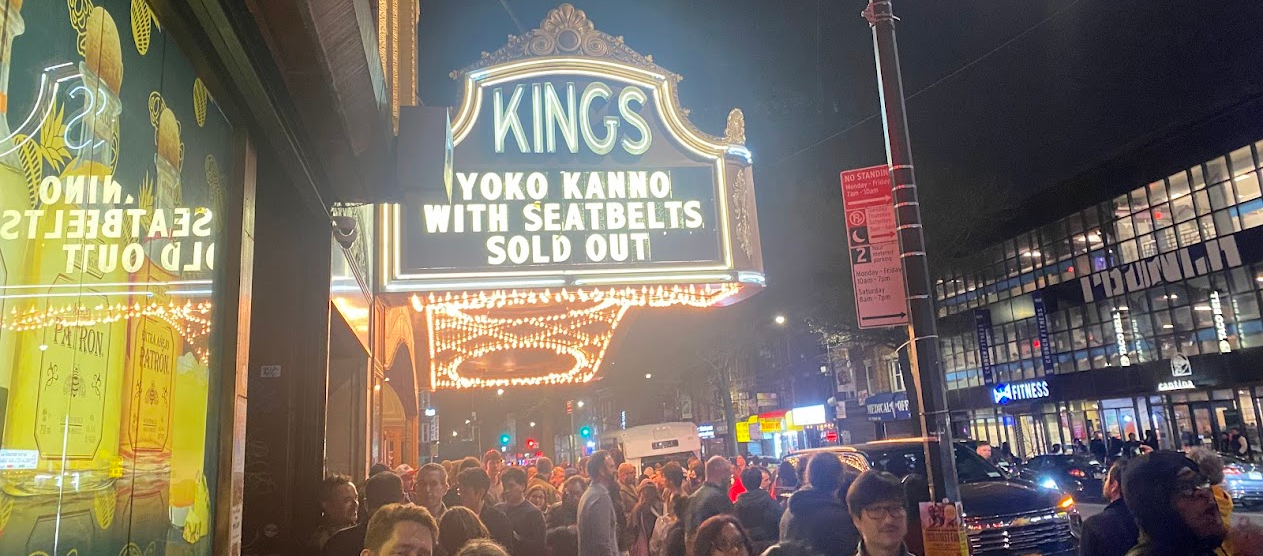
Anyway, last Saturday, along with thousands of nerds of a certain age, I saw Yoko Kanno and her band the Seatbelts play two hours of music from the beloved classic anime Cowboy Bebop in the sold-out Kings Theatre in Brooklyn.
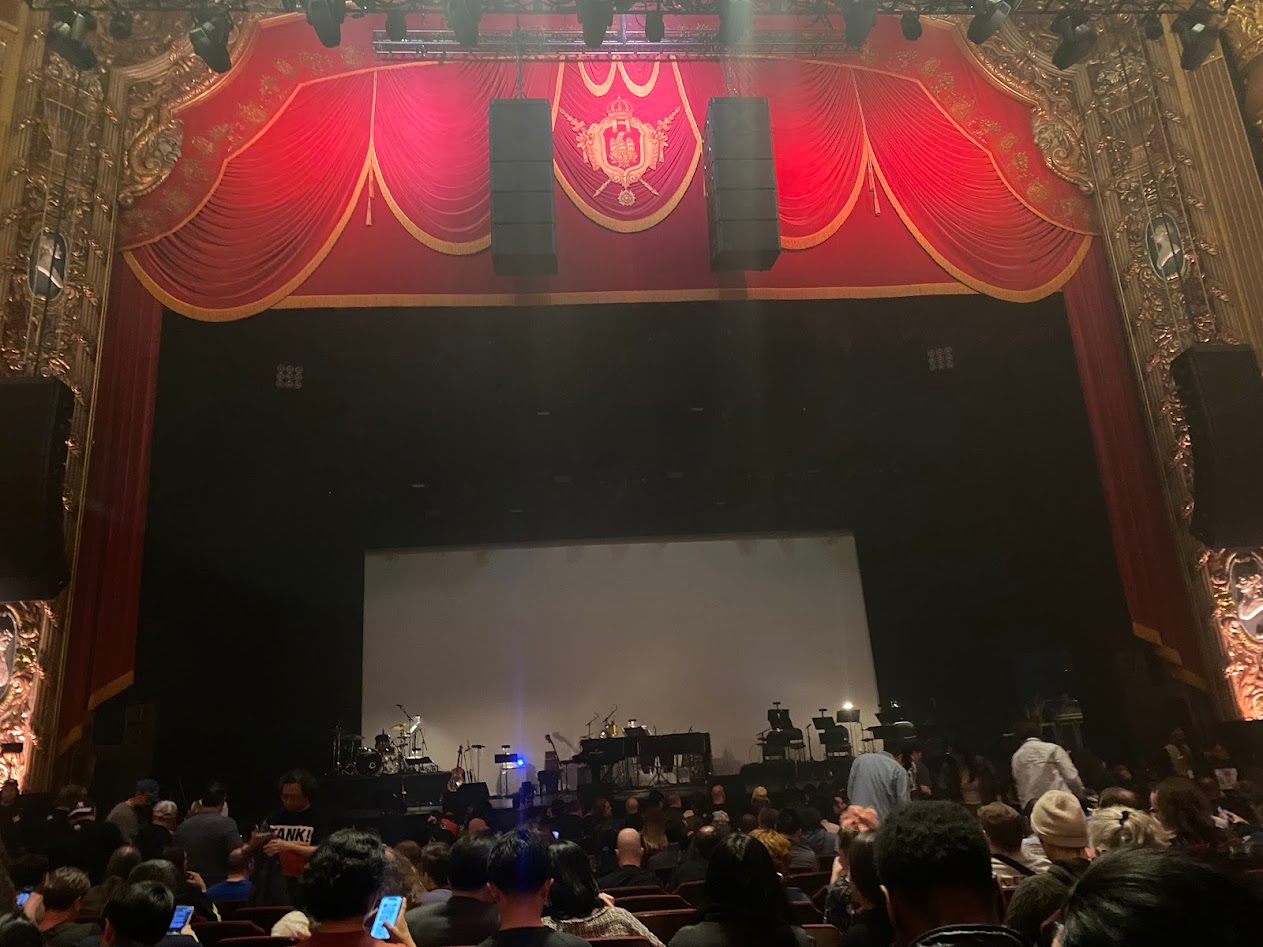
Back in the 90s and early 00s, the name Yoko Kanno spoke for itself: for English-speaking fans, she was bar none the biggest name in anime music. Eclectic and gleefully genre-hopping, Kanno’s music frequently took center stage in prestige titles like Macross Plus and Vision of Escaflowne. But 1998’s Cowboy Bebop— a jazzy adventure series about bounty hunters in space— reached an entirely different level of exposure and popularity in the West. Via the ubiquity of the anime and endless repeat TV airings, Kanno’s masterpiece soundtrack branded itself permanently into the brains of a generation, myself included.
This was a more emotional experience than I expected. I didn’t actually buy tickets when first given the chance: the seats were quite expensive, and I was a little concerned about cash (and paying this year’s taxes as a freelancer) when they were available. I actually got lucky and had a friend who couldn’t make it drop two tickets into my lap. Walking out of the theater I felt incredibly high; couldn’t believe I had been willing to miss this show. I really felt like I’d had a once-in-a-lifetime experience.
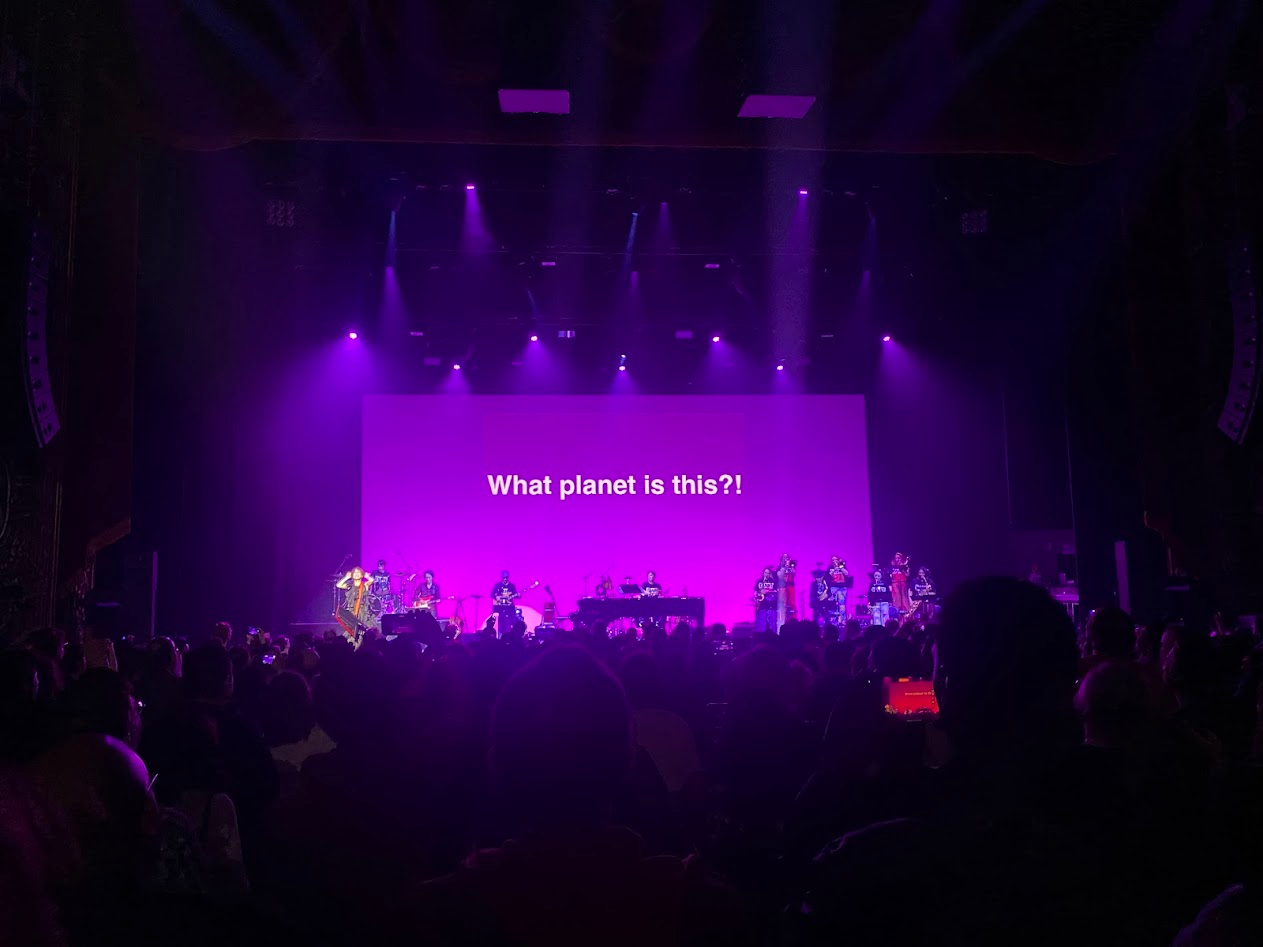
Kanno’s band played to their strengths and stuck pretty strictly to the jazz pieces from Bebop, playing the opening theme song “Tank!” right out of the gate to an ecstatic crowd. I didn’t recognize every one of these songs by name, but they had leaked into me long ago on a much deeper level than that; listening to this soundtrack after so long was like having deeply buried memories re-awakened. Not just of Spike and the gang, but of the sad teenage Dave who loved them.
Kanno’s presence and energy (she’s 63?!) beams past the language barrier straight through to the audience: as she hops around the stage in a ruffly black dress wielding a keytar, you might begin to believe the lady really is a magical pixie.
An additional treat that apparently only the New York audience got— turns out he lives around here— was the appearance of vocalist Steve Conte, who I’m pretty sure sang all of his insert songs from the series. Looking like a 2000s emo scene kid, no less. (Complimentary.) “Rain” was the first time during this concert that I was emotionally shattered. I’m pretty sure I heard a guy yell “Seven Rings In Hand!” between songs. I mean, I know how he feels.
The finishing move to break the audience— certainly it broke me— was Kanno’s encore, in which she played the ending theme “The Real Folk Blues” on the piano and, in the absence of original singer Mai Yamane, let us sing back with phonetic lyrics projected behind her. This was a test that only my friend circle’s many anime karaoke parties could have prepared me for, and there weren’t a ton of people singing back because this song is actually kind of tough! The slides didn’t have actual karaoke timing, so a lot of folks got dropped on the long “n” hold in “honto”. You know what I’m talking about right? “HONNNNNNTO NO…”.
Anyway, it was a once-in-a-lifetime feeling, walking out of that place after singing The Real Folk Blues back at the woman who wrote it as she smiled and egged us on. It was, truly, really beautiful. Priceless. The reason I go to events in the first place. Thank you, Kanno-san.
The Gamesoft Robo Fun Club is a solo labor of love that depends entirely on paid subscriptions from readers to exist. If you enjoyed this piece and you'd like to see more, I'd love to see you become a regular or paid subscriber. Paid subscribers get exclusive posts and keep me fed. Thanks for reading the pitch and hope to see you subscribe!
Strive 2.0 impressions
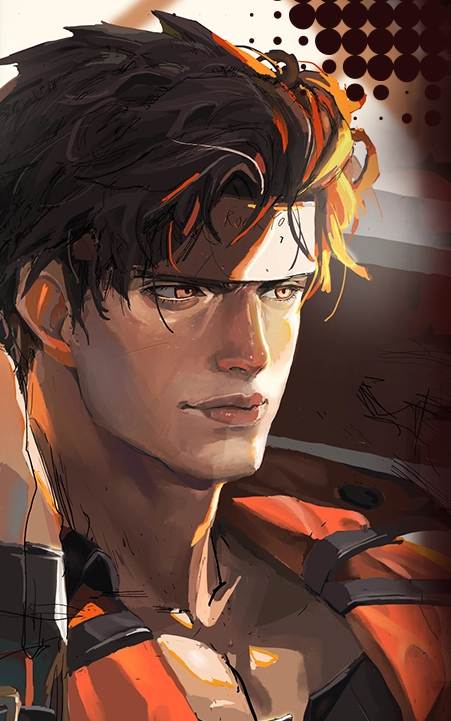
Guilty Gear Strive has been out for six years now, and as is now standard for major fighting games, its development never stopped. A small army of additional characters and various game design experiments have drastically changed the game over its lifetime, but the heavily hyped 2.0 patch is not a tweak: it’s a full reboot.
So what was wrong with Strive? Well, Guilty Gear Strive successfully transformed a cult series into a million-seller by drastically simplifying the game systems and rebuilding from the ground up. It worked a little too well. The game got thoroughly figured out in a way that made it boring to play after a while. By comparison, the previous Xrd— now with rollback!— maintained the variety and depth that Strive had chopped out. Though it gained a whole new community, Strive also caused something of an exodus.
Every time a new character released in this game I would try them out, say “huh, how interesting, what nice animation”, and immediately forget about the character and the game. Strive’s design, fully figured out and extremely aggro, gave the game to bulldozer characters who could attack as much as they wanted with no risk and kill in two hits. Characters who did anything else were simply not worth the effort.
(This is to say nothing of the hellish online play experience up until recently, or the total design failure of Happy Chaos, the dumbest fighting game character since Arakune in Blazblue. I personally stopped playing Strive not too long after HC started to dominate.)
Strive 2.0 dials down the aggression and the damage across the board, which you feel instantly once you play a match. It feels like Strive has brought back some of what was lost: with combos and offense generally weakened, players have to actually play the neutral game rather than charging into point blank as soon as they can. Not every single hit takes 60% off the opponent’s life meter and sends them flying through the wall: only the big ones. Suddenly, Strive feels like a normal fighting game, and it’s immediately more fun this way.
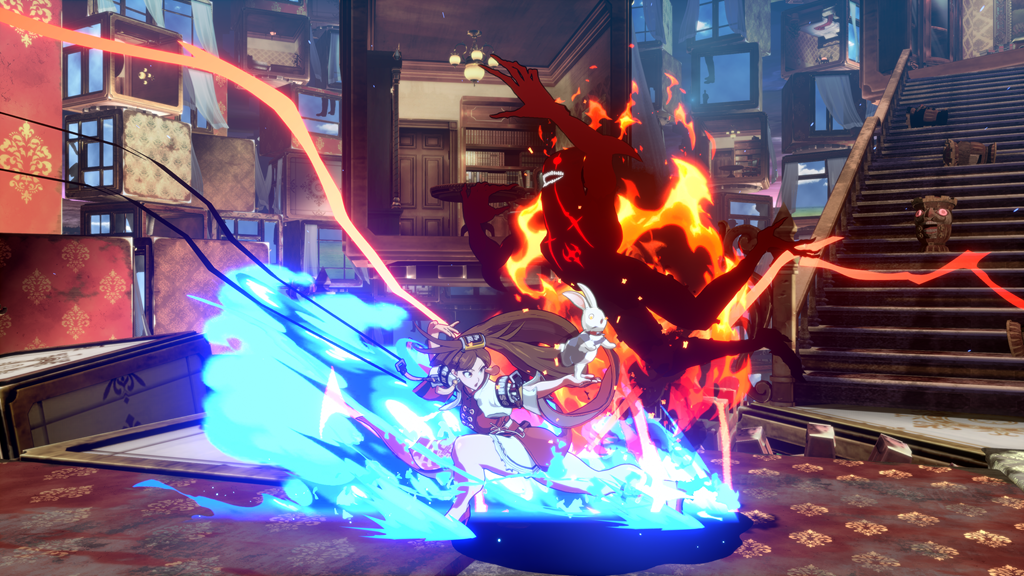
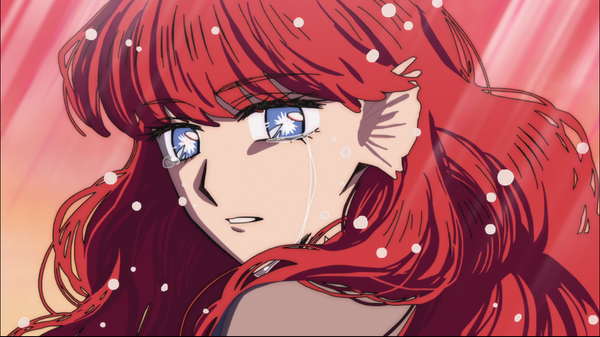
I have been playing Jam, a character who was considered for Strive 1.0 (data miners found her model way back) but who I suspect wouldn’t have made sense for it. A speedy striker who works at point-blank range, Jam has to work her way in to do any damage… but once she does, she hits like a truck. The thing is, in GGST 1.0 everybody hit like a truck, with little effort and from all kinds of ranges, so there would have been no reason to play this character over Sol or Leo or Ramlethal. In this version of the game Jam has a purpose, and her strong offense and explosive damage come with major drawbacks that a skilled user has to play around.
And as ever, GGST’s animation, music and commitment to character are off the charts: Jam has a pet rabbit perched on her shoulder (it seems to be her co-chef ala Ratatouille) that is fully integrated into all of her animations. It doesn’t fight for her or ever strike the opponent at all: it’s just there for moral support and every single animation has lil’ bunny holding on to Jam for dear life or Jam holding bunny in place. These guys are showing off.
I like CASTLE OF DRAGON
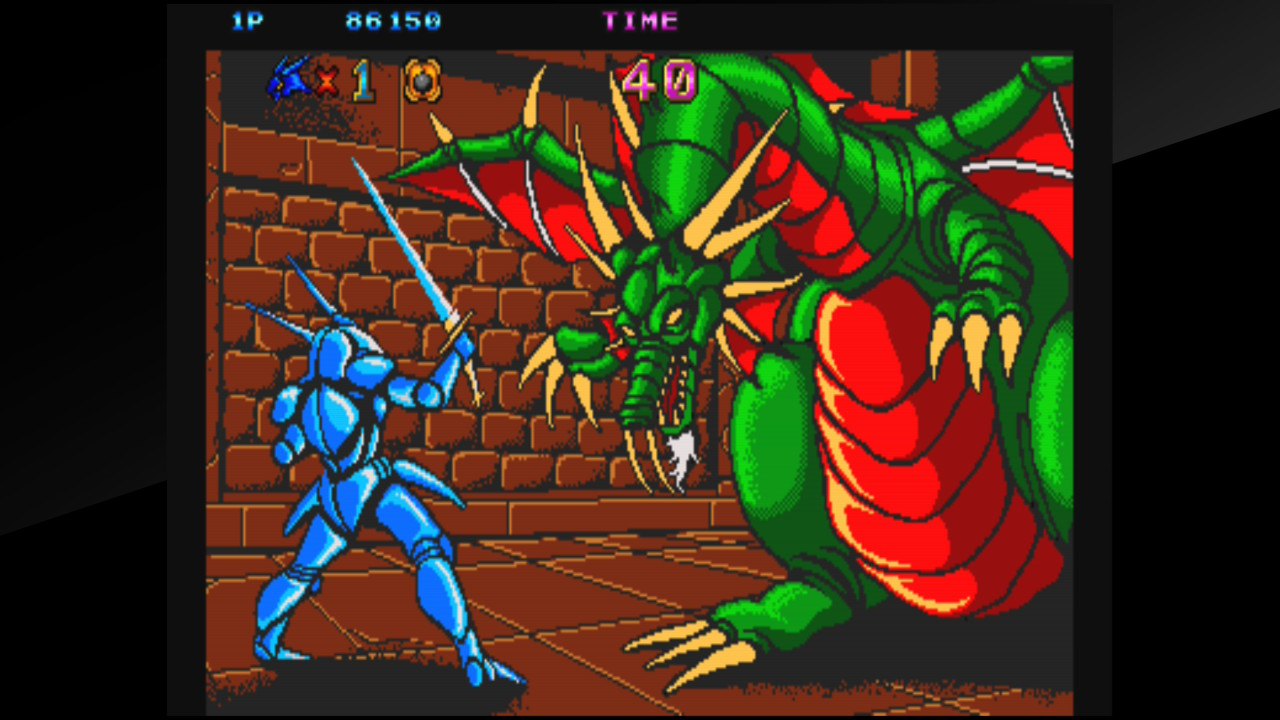
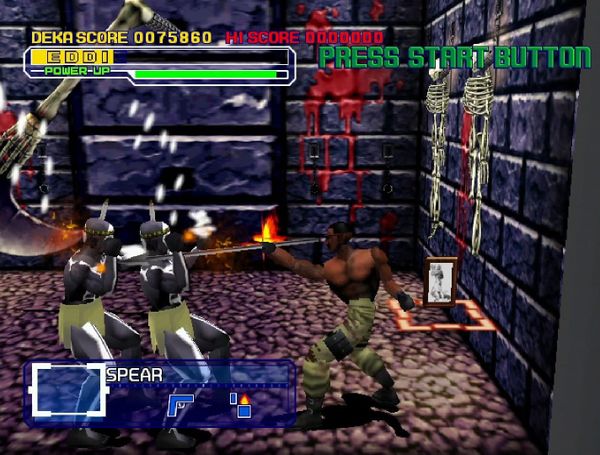
Recently I saw retro guys on Bluesky talking about Athena’s Castle of Dragon, which looks to me like one of those fake video games you see a kid playing in the background on Law And Order. So I bought the Arcade Archives port on Switch. Then I bought the T-shirt.
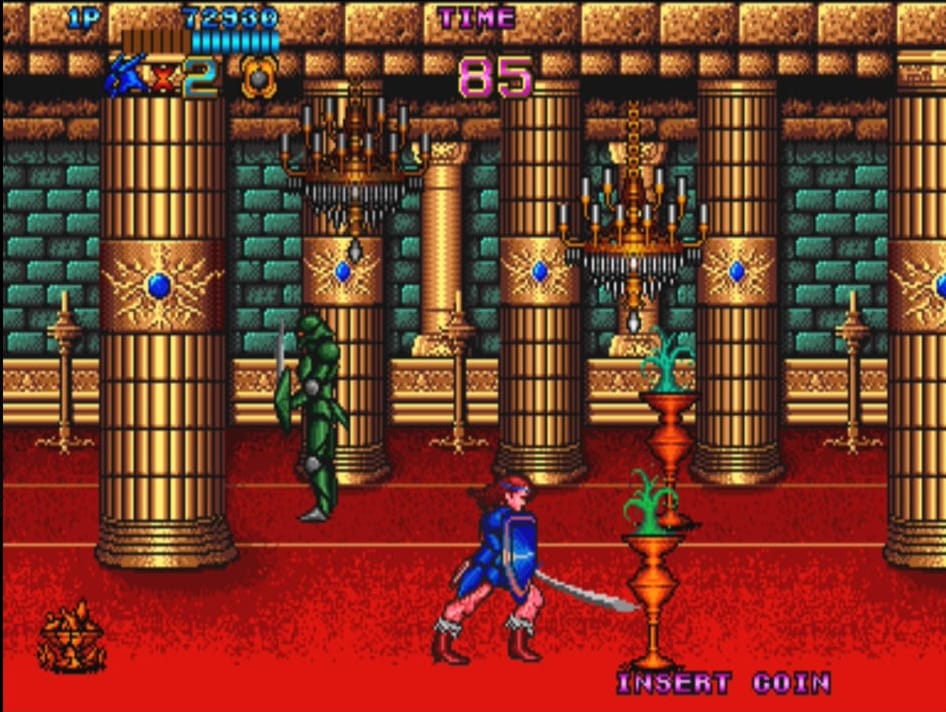
What an odd and interesting little game. I think its bigness won me over at first. A lot of old arcade games go for a feeling of scale you can't get in contemporary console games, whether it works or not. Everything in Castle of Dragon is large. Full-screen anime art as soon as you start the game. Massive player and enemy sprites, all of which bloodsplode when hit. The score consists entirely of digitized metal guitar riffs played over and over again. There is this feeling of a bunch of 80s metalheads getting together and saying “dude, you know what would rock?” and putting together a game entirely on those elements.
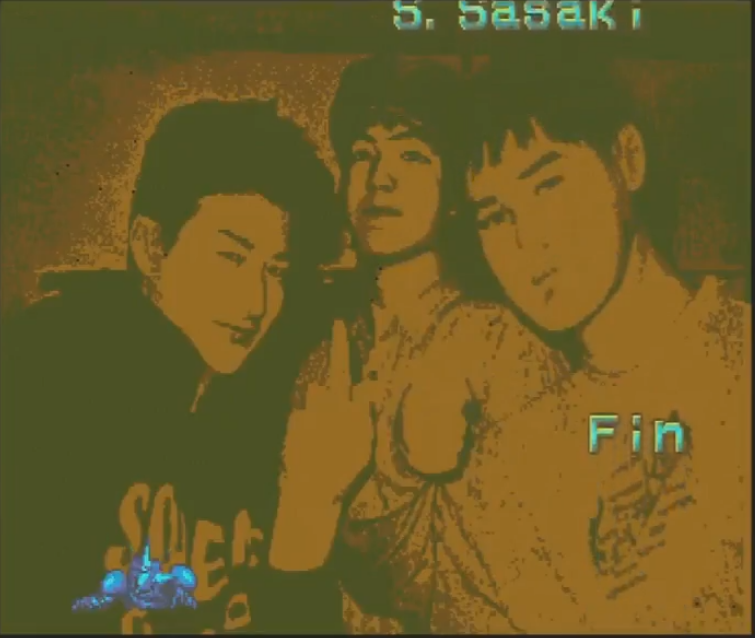
And we can reasonably assume that’s what happened, because at the end of the game a photo of three cocky-looking 20-something guys appears on the screen, and one of them is flipping you off. Pure whim. Great game.
You’re an armored knight walking down a gauntlet of enemies, picking up an ever-changing arsenal of weapons that never really matters. Two stages have two lanes to walk on, like Fatal Fury, and the best way to dodge attacks is to just shift from one lane to the other. The rest take place on one plane, where you want to just force your way through. Your sole defense— a shield that blocks projectiles only if they land just so, which they usually won’t— isn’t terribly effective.
As such, I was kind of perplexed as to how you survive this brief game until I watched a one-credit clear. It turns out that the game was built to be speed-run: I thought my credit-feeding time of fifteen minutes was quick, but the 1CC player posts a time below six minutes!
The third boss illustrates how this game works pretty clearly: a gigantic Medusa-like monster appears on the right and spits bullets at you. The only way to win here is charge the monster and kill her instantly. If you try to avoid getting hit and properly defend using your cool shield, you won’t get hit and you’ll chip off damage, like a normal boss fight… but soon a second Medusa will come in from the left, and with both of them firing bullets at you from both sides you must die.
Don’t bother! Charge! The more boots you pick up, the faster the knight runs. He starts to waddle along at an absurd speed, which is the big hint this game is built to for speed-running. “Don’t bother! Charge!” is probably how they built this game, and I do find that endearing. Castle of Dragon is in the Arcade Archives series and certainly also in MAME.