I read manga biographies of pro mahjong players, so basically Idol Manga
If your otaku culture feels like idol stuff, but you’re not sure it’s idol stuff, look again, because it’s probably idol stuff.
(Be aware that there is a brief depiction of eating disorders in this post. I also want to thank the exhaustive and tireless M-League Watch blog, my main research source for this piece.)
Pro mahjong player culture might seem an incredibly niche and esoteric thing, but really, it’s just idol stuff. If your otaku culture feels like idol stuff, but you’re not sure it’s idol stuff, look again, because it’s probably idol stuff. It's idol stuff all the way down.
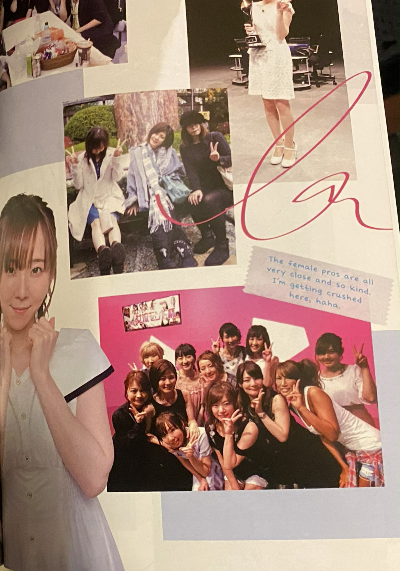
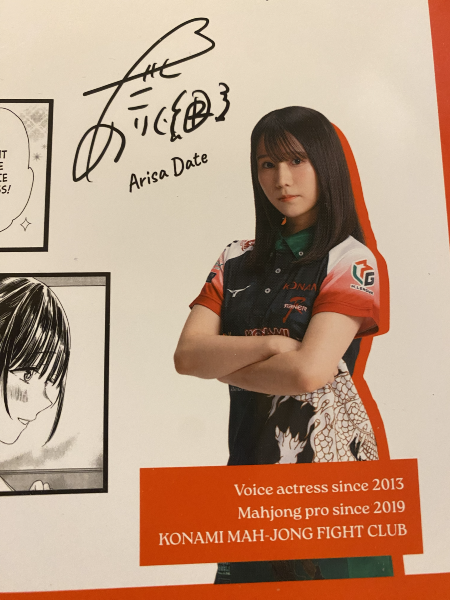
Which is to say I have just purchased some recent releases from Mahjong Pros, a pair of biographical manga of active pro players. One book opens with a gallery of color photos of the person the story is based on, and they both have little hand-written notes from their real-life heroines at the end. They are totally idol stuff, aimed largely at readers who already adore these public figures and want to see manga-cute versions of them dramatically re-enact their life stories.
The Gamesoft Robo Fun Club is a solo labor of love that depends entirely on paid subscriptions from readers to exist. If you enjoyed this piece and you'd like to see more, I'd love to see you become a regular or paid subscriber. Paid subscribers get exclusive posts and keep me fed. Thanks for reading the pitch and hope to see you subscribe!
(An aside: being in a “pro” riichi organization generally does not mean that one is employed playing the game: it’s more like a club for serious enthusiasts with a test to enter and fees to be paid. “Pro” represents a level of commitment, rather than a vocation. The job a riichi pro is most likely to get is working at a parlor.)
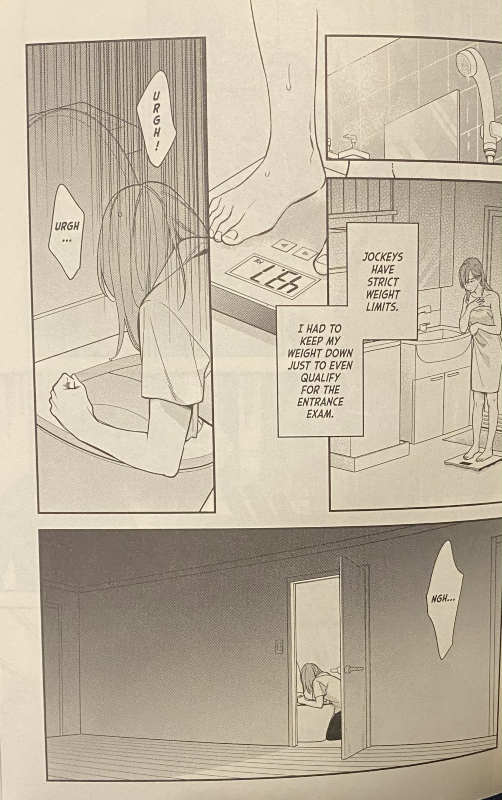
So I was impressed that though these books are two very similar stories, told in a cutesy and dramatized mode… they’re not fluff. Fluff doesn’t show your main character vomiting in the toilet to make it to competition weight.
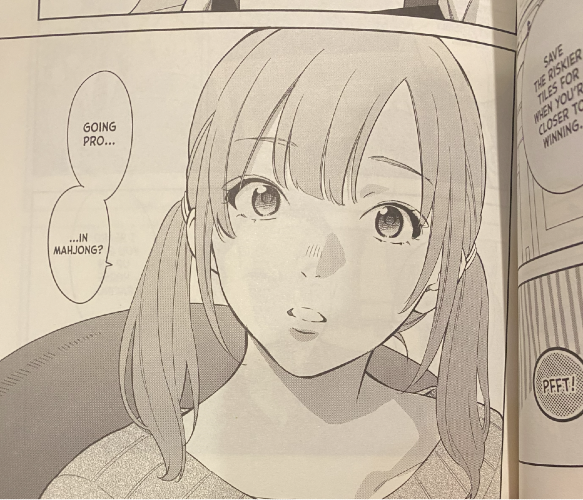
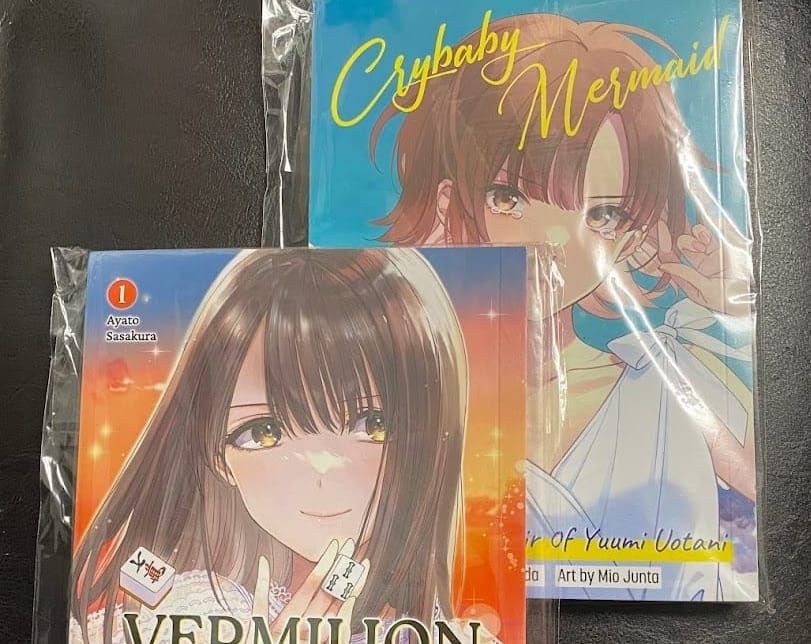
Crybaby Mermaid (Mio Junta, art; Yoshiki Suda, writing) opens up with Yuumi Uotani training to be a horse jockey and failing before she can really begin, despite great effort and suffering. (Today I learned that due to unhealthy weight requirements, eating disorders are extremely common among jockeys.) A visit to the mahjong parlor saves her, sparking a new obsession. The comic follows Uotani from her starry-eyed amateur days through the many grueling phases of a pro’s career: cramming for the pro test, working as parlor staff, taking a mentorship, grinding tournaments, sharpening her skills and ultimately being drafted into M-League, the corporate pro league. Throughout, she cries.
There is a Japanese pun at work here (and please, correct me if I’m wrong) that can’t come through in English: the word for crying (泣く, naku) sounds the same as the word for calling tiles (鳴く, naku). Uotani’s play style is quite aggressive, opening her hand much sooner than other players would dare, and flexibly switching up her game plan as she goes. The manga spends quite a bit of time on the character improving and refining this style, with a lot of juicy real-life play scenes as she trains under future Saikouisen champion Yu Suzuki. (Not to be confused with Sega legend Yu Suzuki.)
(By the way, the “mermaid” part of Uotani’s nickname, “The Fastest Mermaid”, is from the “uo” (魚), the character for “fish”, in her name.)
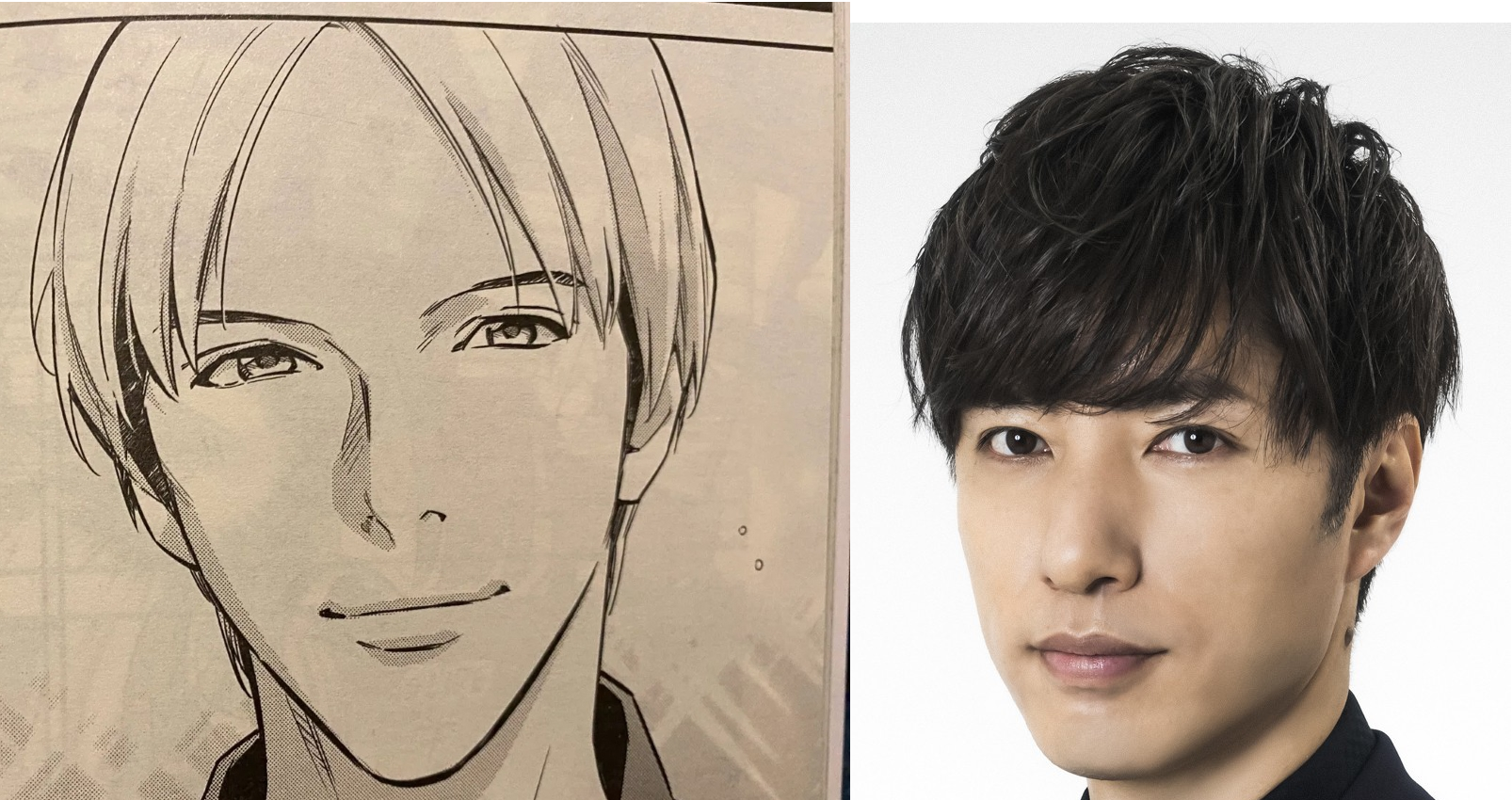
In this comic Uotani looks like a classical shoujo heroine: cute, but not intimidatingly so, so as to keep her relatable. Her world is lined with bubbles and sparkles, and most amusingly, mentor Yu Suzuki is a pretty-boy dreamboat. Naturally, a few tearful, dramatically played-up moments between the cool big-brother teacher and our weepy heroine wind up reading as romantic. I looked up artist Mio Junta to place her work and see if I was mistaken on the shoujo vibes I was picking up. I was… but only because she usually draws yaoi.
Crybaby Mermaid ends at the moment Uotani gets into MLeague, which feels a bit abrupt despite the length of the volume. Looking into her future, she had a monster year in the 2019-2020 season, even making league MVP… but mahjong is cruel, and she had three straight bad years after that before her contract with the Sega-Sammy Phoenix expired.
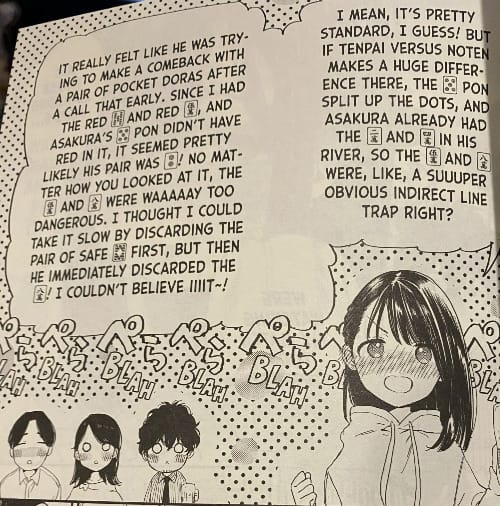
Meanwhile, the first of two volumes of Vermilion Stella (Ayato Sasakura) presents Arisa Date’s career path from anime voice actress to mahjong pro as the result of her aggressively following a chain of nerdy hyper-fixations as far as they would go. I came away from the book appreciating that dorky side of Date: the inner voice squealing “I can’t even!”, the drunk Date babbling at machine-gun speed about her last mahjong match at the bar.
As a kid she’s obsessed with idol voice actresses first and mahjong second. These priorities slowly begin to reverse as she ditches college for voice acting school and gets a minor role in Saki (Suzu Ueshige) as a direct result of her loudly representing her dual obsessions at all opportunities. Pretty soon Date gets swept into the niche community of voice actors who are really into mahjong. (They have a home base parlor and everything.) Anchored by friends and community, Date aims high and gets there.
Date absolutely zoomed down the pro road both in real life and in this manga; the chapter where she walks into her first parlor ends with her playing the World Riichi Championship finals. After getting crushed at that table and reaching her lowest point, Date finds new focus and wins the Cherry Blossom Cup. This in turn gets her noticed by Konami, who draft her onto their MLeague team, the Mahjong Fight Club. (Yes, named after the game.) Looking at her bio, there are a mere three years between Date going pro and getting signed for MLeague.
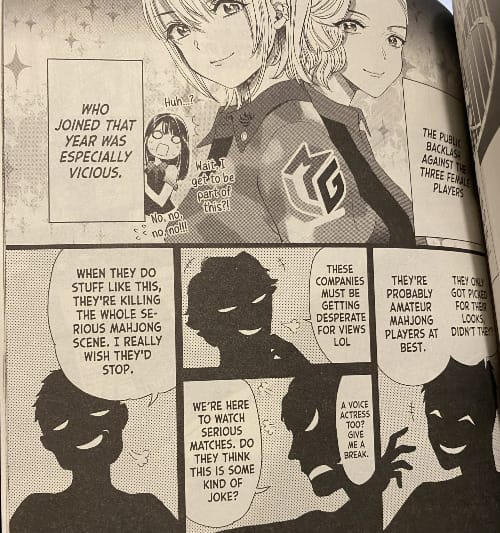
Vermilion Stella’s cover copy plays up a theme that I wish I’d seen more of in the actual book: as an idol voice actress turned mahjong pro who climbed the ranks very quickly, Date has to overcome the audience’s suspicion, and the expectation that she was chosen as a pretty face. We see these voices a couple of times when Date sees dismissive social media posts about her, once when she’s deep in despair after the WRC finals. It’s clear that these expectations light a motivational fire under her, and I would have liked to read a little bit more about that aspect of her journey. This bio is so breezy that it sometimes comes off like Date’s career itself was a breeze, and I know from what she achieved that it couldn’t have been.
The art by Ayato Sasakura is extremely clean and cute; I wondered if it was me or whether I was getting a “2000s moe aesthetic” vibe. (It’s still retro if it makes you think about 20 years ago. We need to accept this, uncs.) It turns out I was pretty on target: the author drew the manga adaptation of Shakugan no Shana, has done some designs for some 18+ visual novels in the late 00s… and uh, wow, okay, maybe don’t look up her other stuff.
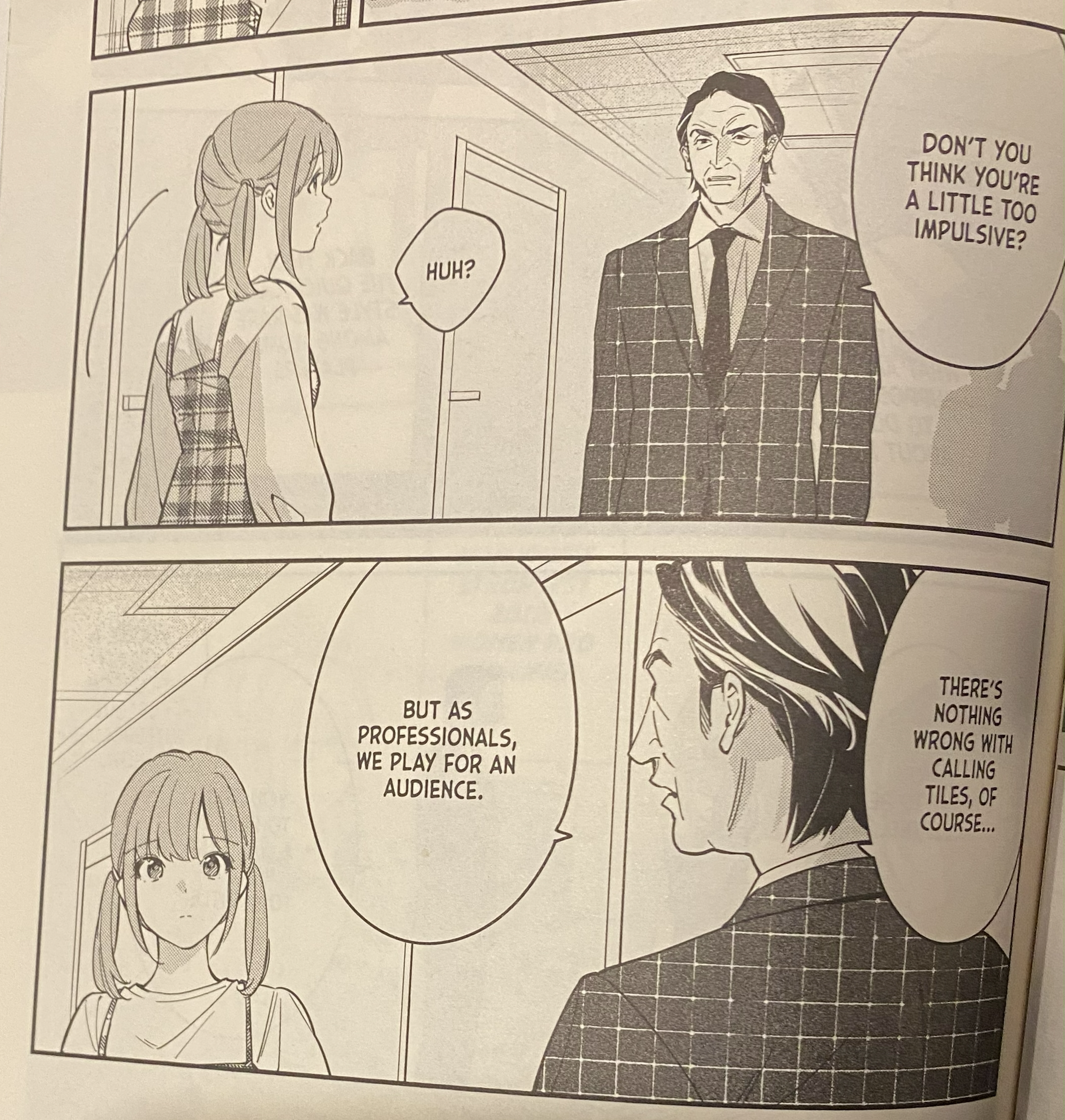
One of the indicators that both of these manga are meant for hardcore fans of pro mahjong players is that many characters who are clearly intended to be likenesses of actual real-life pros are never actually named in the comics. If the heroine is in a match with someone, there will usually be a name card. But in many other scenes, a player, drawn so distinctly that they must be a real person, will appear... and we’re just expected to know who they are. It’s as unthinkable to the author of Crybaby Mermaid that I would not recognize the old guy who gives Uotani a stern talking-to as it is to me that a random person wouldn’t recognize, I dunno, Sol Badguy.
Being a publisher in a pretty extreme niche, Mahjong Pros offers extensive notes in the back of the book from basic mahjong terminology to cultural notes on the pro mahjong world (and in Date’s case, anime). The publisher has even set up links to Youtube videos that you can copy out of the book to watch some of the real-life moments that get dramatized in the manga.
But you don’t need to actually understand mahjong to read these books: Crybaby Mermaid goes a little bit more into technique than Vermilion Stella, but both works are essentially straightforward dramas about passionately driven women who fight their way up the ranks of a competitive world.
Perhaps you'll be inspired by their courage and resolve. Maybe you'll start waking up way too early in the morning to watch their matches on Japan time. Maybe you'll make a little paper fan with their face on it and start waving it around while you do that. Maybe mahjong was just an idol-culture psyop the entire time, and we're all caught.